Maritime Economics and Logistics Training Course
 Print
Print Download pdf
| Date | Format | Duration | Fees (GBP) | Register |
|---|---|---|---|---|
| 09 Feb - 11 Feb, 2026 | Live Online | 3 Days | £1975 | Register → |
| 16 Mar - 18 Mar, 2026 | Live Online | 3 Days | £1975 | Register → |
| 29 Jun - 03 Jul, 2026 | Live Online | 5 Days | £2850 | Register → |
| 10 Aug - 14 Aug, 2026 | Live Online | 5 Days | £2850 | Register → |
| 07 Sep - 11 Sep, 2026 | Live Online | 5 Days | £2850 | Register → |
| 26 Oct - 28 Oct, 2026 | Live Online | 3 Days | £1975 | Register → |
| 02 Nov - 04 Nov, 2026 | Live Online | 3 Days | £1975 | Register → |
| 28 Dec - 30 Dec, 2026 | Live Online | 3 Days | £1975 | Register → |
| Date | Venue | Duration | Fees (GBP) | Register |
|---|---|---|---|---|
| 12 Jan - 30 Jan, 2026 | Barcelona | 15 Days | £12400 | Register → |
| 18 Feb - 20 Feb, 2026 | Bangkok | 3 Days | £3375 | Register → |
| 30 Mar - 03 Apr, 2026 | Rome | 5 Days | £4750 | Register → |
| 27 Jul - 31 Jul, 2026 | Vienna | 5 Days | £4750 | Register → |
| 03 Aug - 07 Aug, 2026 | Barcelona | 5 Days | £4750 | Register → |
| 14 Sep - 02 Oct, 2026 | Dubai | 15 Days | £10400 | Register → |
| 05 Oct - 23 Oct, 2026 | Madrid | 15 Days | £12400 | Register → |
| 09 Nov - 11 Nov, 2026 | Zurich | 3 Days | £3825 | Register → |
| 07 Dec - 09 Dec, 2026 | Marrakech | 3 Days | £3525 | Register → |
Why Select this Training Course?
Choosing the Maritime Economics and Logistics Training Course is a strategic investment for professionals in the maritime, logistics, and supply chain sectors. This course provides insights into the economic principles and logistical frameworks that drive the global maritime industry.
The course offers a comprehensive exploration of maritime economics, including the dynamics of shipping market demand and supply, vessel valuation, and the economic impact of shipping on global trade. By mastering these elements, you’ll be able to make more informed decisions that optimise operations and boost profitability.
Additionally, the course covers key logistics aspects such as supply chain management, port operations, and cargo handling, bridging theoretical knowledge with practical application. Efficient supply chain management can reduce logistics costs by up to 15%, significantly impacting a company’s bottom line (WarehouseWiz, 2024).
Led by industry experts with extensive experience in maritime economics and logistics, the course provides practical insights supported by real-world case studies. This ensures you gain actionable knowledge that can be applied directly to your professional environment. According to Statista, the global logistics market is projected to reach $12 trillion by 2025, underscoring the importance of staying updated with industry trends.
What is maritime Economics?
Maritime economics is a specialised field within economics that focuses on the study of maritime industries and sea transport. This discipline examines the intricate economic forces influencing global shipping markets, ports, and the costs associated with sea trade. The scope of maritime economics encompasses various components such as the supply and demand for shipping services, freight rates, maritime policies, and port management. Globally, seaborne trade accounts for about 80% of the total global trade by volume, highlighting the critical importance of maritime economics in the world economy (UNCTAD, 2021). Furthermore, this field investigates the economic impacts of maritime regulations and the environmental sustainability of shipping activities, ensuring that international trade thrives while safeguarding marine ecosystems.
What is maritime transport and logistics?
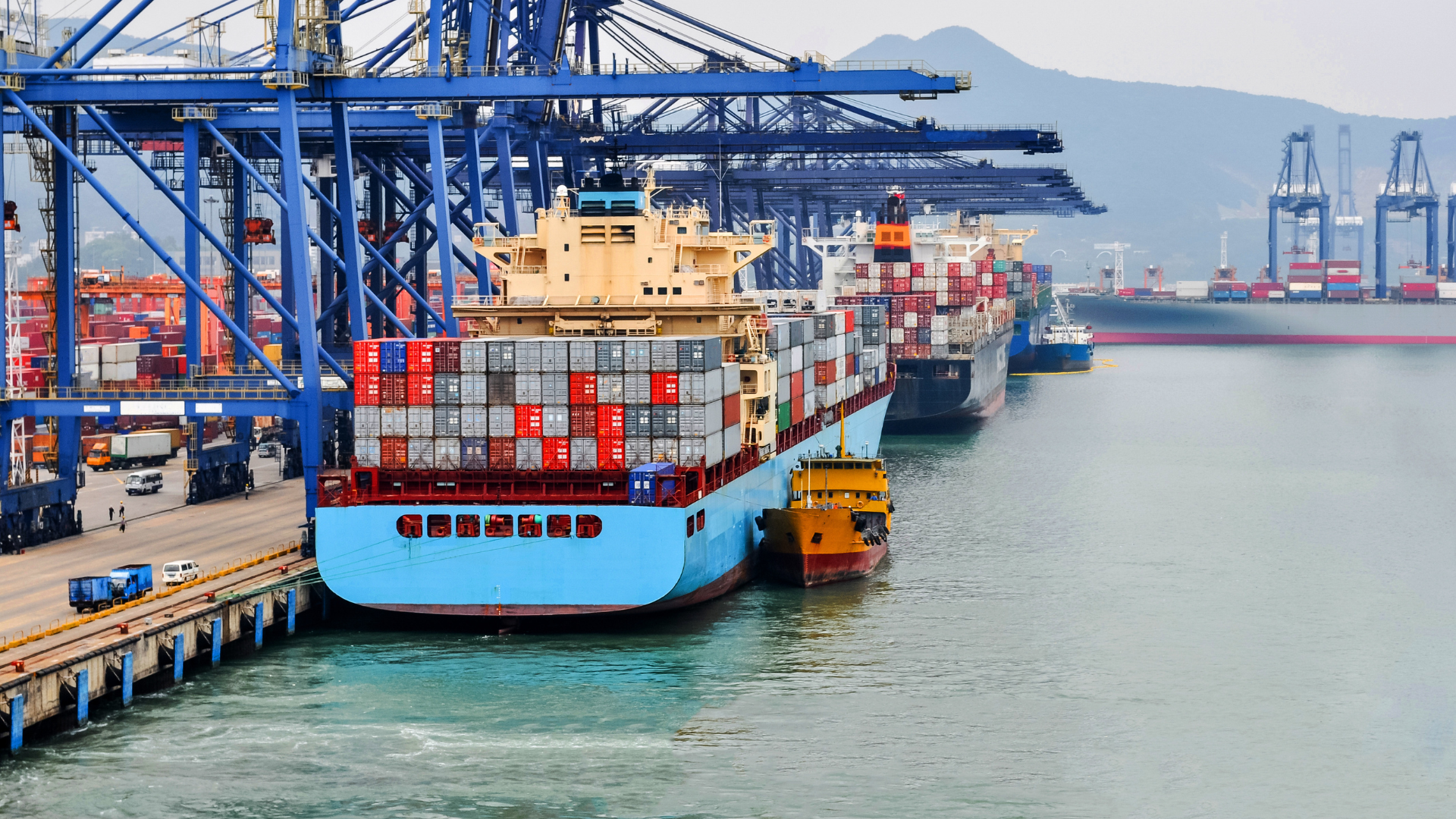
Maritime transport and logistics refer to the processes and systems involved in the movement of goods and cargo by sea, encompassing the entire supply chain from origin to destination. This sector plays a pivotal role in global trade, as over 90% of world trade by volume is transported via sea routes (IMO, 2021). Maritime transport includes the operation of various types of ships, such as container vessels, tankers, and bulk carriers, which navigate international waters to deliver goods. Logistics, on the other hand, involves the management and coordination of activities such as cargo handling, warehousing, customs clearance, and distribution. Effective maritime transport and logistics are essential for minimising costs, reducing transit times, and ensuring the reliable and efficient delivery of goods, thereby supporting economic growth and international trade.
Who Should Attend?
This course is designed for professionals including but not limited to:
- Shipping Company Executives
- Maritime Economists
- Port Managers
- Supply Chain Analysts
- Logistics Coordinators
- Freight Forwarders
- Trade and Transport Consultants
- Cargo Managers
- Marine Agents
- Policy Makers in Maritime Affairs
What are the Course Objectives?
By the end of this course, participants will be able to:
- Understand the economic principles governing the maritime industry.
- Analyse shipping market cycles and their impact on operations.
- Optimise logistics and supply chain management for improved efficiency.
- Evaluate port economics and their role in the global logistics chain.
- Apply best practices in cargo handling and port operations.
- Implement cost-effective strategies for maritime operations.
- Utilise advanced technologies for enhanced logistics performance.
How will this course be presented?
This course employs a several approaches to facilitate learning, including:
- Interactive Lectures: Engaging presentations by industry experts.
- Case Studies: Analysis of real-world maritime and logistics scenarios.
- Practical Workshops: Hands-on exercises to apply economic principles and logistical strategies.
- Group Discussions: Interactive sessions to encourage knowledge sharing.
- Simulations: Real-life scenarios to practice and refine skills.
- Assessments: Regular evaluations to monitor progress and ensure comprehension.
What are the Topics Covered in this Course?
Module 1: Strategic Maritime Management
- Formulating maritime strategies
- Strategic planning and execution
- Competitive analysis and positioning
- Mergers and acquisitions in the maritime sector
- Leadership in maritime organisations
- Change management
- Performance measurement and improvement
- Stakeholder management
Module 2: Port Economics and Management
- Economic role of ports in global trade
- Port competition and pricing strategies
- Port infrastructure and development
- Efficiency metrics in port operations
- Relationship between port performance and trade flows
- Port governance and regulatory frameworks
Module 3: Shipping Operations and Cost Management
- Cost structures in shipping operations
- Operational efficiency and cost control
- Budgeting and financial planning
- Fuel management and optimisation
- Crew management and labour costs
- Maintenance strategies for cost reduction
- Utilising economies of scale
- Impact of global economic changes
- Navigating economic downturns
- Case studies on cost optimisation strategies
Module 4: Advanced Supply Chain Management
- Integration of maritime logistics and supply chain
- Strategies for supply chain optimisation
- Role of technology in supply chain management
- Inventory management techniques
- Transportation management systems
- Supplier relationship management
Module 5: Cargo Handling and Documentation
- Types of cargo and handling techniques
- Compliance with international shipping regulations
- Handling dangerous and perishable goods
- Standardised documentation in maritime transport
- Efficient loading and unloading practices
- Cargo tracking and monitoring systems
Module 6: Maritime Law and Policy
- International maritime laws and conventions
- National regulatory frameworks
- Laws affecting shipping and logistics
- Maritime security regulations
- Compliance and enforcement
- Case studies of legal disputes
Module 7: Port Operations and Management
- Port terminal operations
- Cargo flow management
- Berth scheduling and management
- Equipment and technology in port operations
- Safety and security protocols
- Intermodal connectivity
Module 8: Maritime Risk Management
- Identifying maritime risks
- Risk assessment and analysis
- Insurance and risk mitigation strategies
- Crisis management and contingency planning
- Impact of geopolitical risks
- Technological risks in maritime operations
- Environmental and weather-related risks
- Cybersecurity in maritime logistics
- Legal risks and compliance
- Financial risk management
- Case studies on successful risk management
Module 9: Digital Transformation in Maritime Logistics
- Role of digital technologies in logistics
- Automation and robotics
- Internet of Things (IoT) in shipping
- Blockchain for supply chain transparency
- Big data analytics for decision making
- Artificial Intelligence (AI) applications
- Digital twin technology
- Smart port initiatives
- Case studies on digital transformation
- Cybersecurity measures
- Implementing digital strategies
Module 10: Sustainable Maritime Logistics
- Sustainable practices in maritime logistics
- Energy efficiency measures
- Emission reduction strategies
- Sustainability reporting and compliance
- Green ports and logistics hubs
- Circular economy principles in shipping
- Sustainable supply chain management
- Corporate social responsibility (CSR)
- Case studies on sustainable initiatives
- Corporate governance in shipping
- Case studies on strategic leadership
FAQs
4 simple ways to register with RCADEMY:
- Website: Log on to our website www.rcademy.com. Select the course you want from the list of categories or filter through the calendar options. Click the “Register” button in the filtered results or the “Manual Registration” option on the course page. Complete the form and click submit.
- Telephone: Call +971 58 552 0955 or +44 20 3582 3235 to register.
- E-mail Us: Send your details to info@rcademy.com
- Mobile/WhatsApp: You can call or message us on WhatsApp at +971 58 552 0955 or +44 20 3582 3235 to enquire or register.
Believe us; we are quick to respond too.
Yes, we do deliver courses in 17 different languages.
Our course consultants on most subjects can cover about 3 to maximum 4 modules in a classroom training format. In a live online training format, we can only cover 2 to maximum 3 modules in a day.
Our public courses generally start around 9 am and end by 5 pm. There are 8 contact hours per day.
Our live online courses start around 9:30am and finish by 12:30pm. There are 3 contact hours per day. The course coordinator will confirm the Timezone during course confirmation.
A valid RCADEMY certificate of successful course completion will be awarded to each participant upon completing the course.
A ‘Remotely Proctored’ exam will be facilitated after your course. The remote web proctor solution allows you to take your exams online, using a webcam, microphone and a stable internet connection. You can schedule your exam in advance, at a date and time of your choice. At the agreed time you will connect with a proctor who will invigilate your exam live.